#66 Iron 100
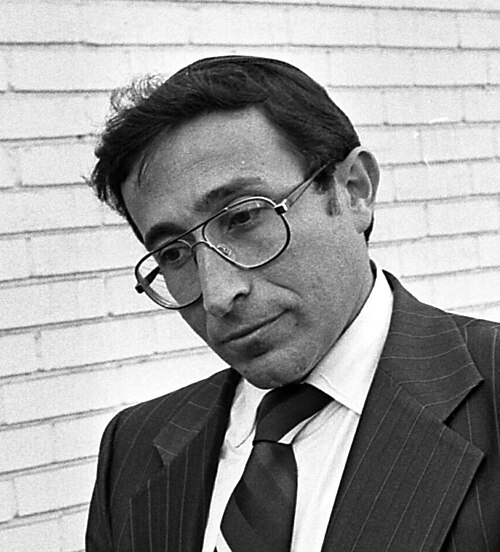
Marvin Hier
Faith & CommunitySimon Wiesenthal Center Founder
 Iron Dome Press
Defending the Alliance. Honoring the Builders.
Simon Wiesenthal Center Founder
Rabbi Marvin Hier founded the Simon Wiesenthal Center in Los Angeles in 1977 — named for the Austrian Holocaust survivor who dedicated his post-war life to hunting Nazi war criminals — and built it from a single rabbi's personal mission into one of the largest international Jewish human rights organizations in the world, with centers in Los Angeles, New York, Jerusalem, Buenos Aires, and other cities. Born in 1934 in New York City, Hier was ordained as an Orthodox rabbi and built his career in Canadian Jewish education before relocating to Los Angeles to found what became the Wiesenthal Center. He has led it for nearly five decades, establishing it as one of the most recognizable names in Holocaust memory, antisemitism monitoring, and Jewish cultural preservation.
The Wiesenthal Center's most visible creation is the Museum of Tolerance in Los Angeles, which opened in 1993 and has since educated millions of students, teachers, and visitors about the Holocaust, prejudice, and human rights. The Museum of Tolerance Jerusalem is among the most ambitious Jewish cultural projects in Israel and has been a sustained source of controversy with Arab citizens who disputed the choice of building site. Hier has been a consistent presence in Hollywood — the Wiesenthal Center has produced multiple Academy Award-winning documentaries, including "Genocide" (1981) and "The Long Way Home" (1997) — giving the organization a cultural reach that extends beyond Jewish communal audiences into mainstream American popular culture.
Hier has met with presidents, prime ministers, and popes. He delivered a prayer at Donald Trump's inauguration in January 2017. His willingness to engage with every administration and every power center — regardless of partisan alignment — has given the Wiesenthal Center access and influence that more partisan organizations cannot replicate. At Rank 66, Hier is the institution-builder who understood that Holocaust memory required not only scholarship and advocacy but architecture, film, and spectacle — and built the institutions to deliver all of them.
Discover other influential supporters of Israel across America.
View All Profiles